Key takeaways
- Inserts fit inside the existing frame and keep the trim.
- Full-frame replacement removes everything and starts fresh.
- The condition of the frame decides which is right.
- Both work well when matched to the opening.
Insert replacement
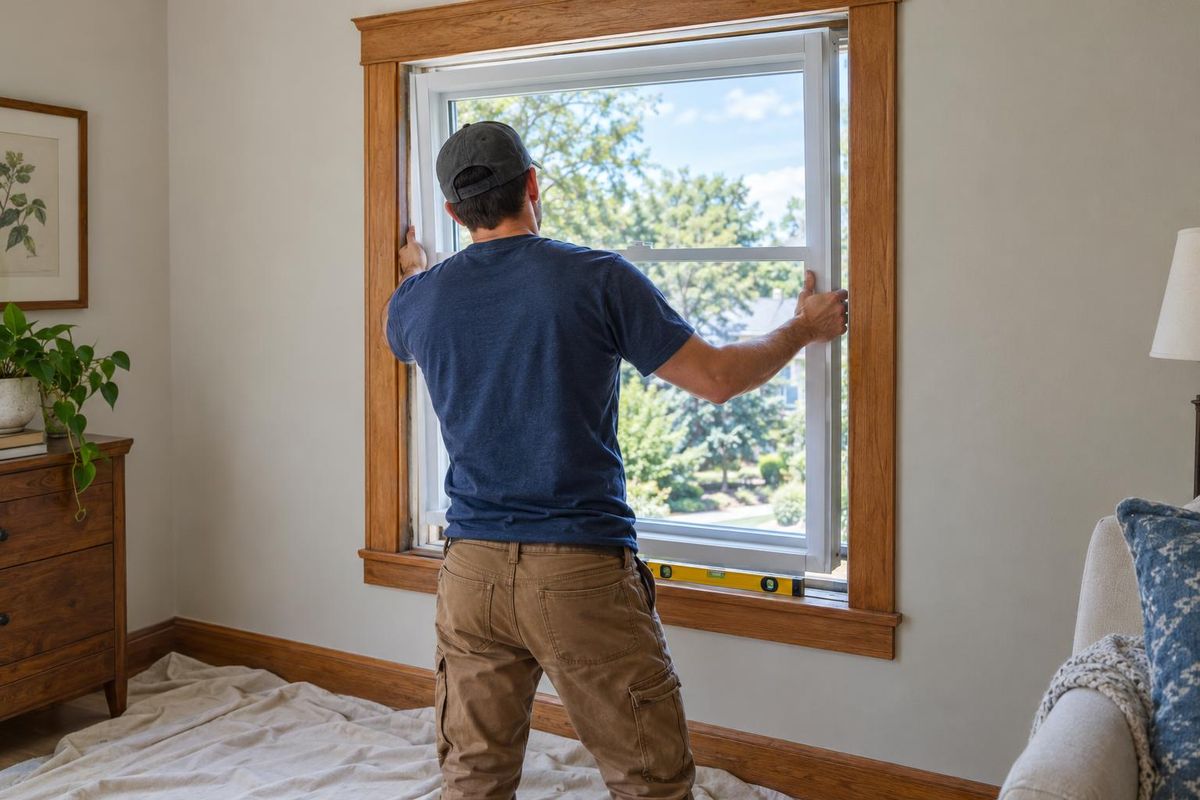
An insert is built to fit inside the existing frame after the old sashes are removed. Siding and trim stay, so the job is faster and less disruptive.
The glass area is slightly smaller, since the new frame sits inside the old one.
Full-frame replacement
Full-frame replacement removes the entire window, down to the rough opening. It lets us repair rot, re-flash and insulate the opening and change the size or trim.
It takes more work and often means some siding or trim repair.
Which one fits
If the frame is square and sound, an insert is often a good choice. If it is rotted, leaking or out of square, full-frame is better.
We inspect the opening before recommending either.
Choosing the wrong one
An insert in a bad frame traps problems inside the wall. A full-frame replacement where an insert would do adds work that is not needed.
In Nashville and across Middle Tennessee we tell you honestly which fits.
Quick answers
Can I mix inserts and full-frame in one house?
Yes. Many houses need a mix.
Do inserts look different from the street?
Usually very little, since trim and siding stay as they are.